
Affordable Vaccination Options for Your Puppies and Kittens at Vermont Animal Hospitals

Bringing a new puppy or kitten into your home is an exciting experience filled with joy and responsibility. One of the most important steps in caring for your new furry family member is ensuring they receive the right vaccinations. Vaccinations protect pets from serious diseases and help keep them healthy throughout their lives. For many pet owners in Vermont, finding affordable vaccination options at local animal hospitals is a priority. This guide explores how you can access quality, budget-friendly vaccinations for your puppies and kittens in Vermont.

Why Vaccinations Are Essential for Puppies and Kittens
Puppies and kittens have developing immune systems that need protection from contagious diseases. Vaccinations stimulate their immune response, helping them build defenses against illnesses such as:
Parvovirus: A highly contagious and potentially fatal disease in puppies.
Distemper: A serious viral illness affecting respiratory, gastrointestinal, and nervous systems.
Rabies: A fatal disease that can spread to humans and animals.
Feline Leukemia Virus (FeLV): A common infectious disease in cats that weakens the immune system.
Feline Panleukopenia: A severe viral disease in kittens causing vomiting and diarrhea.
Without vaccinations, puppies and kittens face higher risks of illness, costly treatments, and even death. Vaccinating early and on schedule is critical to their long-term health.
How Vermont Animal Hospitals Offer Affordable Vaccinations
Many animal hospitals in Vermont understand the financial challenges pet owners face. They offer several ways to make vaccinations more affordable without compromising quality care:
1. Vaccination Packages and Wellness Plans
Animal hospitals often provide bundled vaccination packages that include all core vaccines needed for puppies or kittens. These packages usually cost less than paying for each vaccine separately. Some clinics also offer wellness plans that cover vaccinations, routine exams, and parasite prevention for a monthly fee, spreading out the cost.
2. Community Vaccination Clinics
Some Vermont animal hospitals and local animal welfare organizations host low-cost vaccination clinics. These events provide essential vaccines at reduced prices to help more pets get protected. Keep an eye on community bulletin boards or veterinary websites for announcements about upcoming clinics.
3. Payment Plans and Discounts
Certain clinics offer payment plans or discounts for multiple pets. If you have more than one puppy or kitten, ask about multi-pet discounts. Some hospitals also provide financial assistance or sliding scale fees based on income.
4. Preventive Care Education
Vermont veterinarians often educate pet owners on the importance of vaccinations and how to maintain a vaccination schedule. This guidance helps avoid costly emergency treatments later by preventing diseases early.
What Vaccinations Your Puppy or Kitten Needs
Vaccination schedules vary depending on age, breed, lifestyle, and local disease risks. Here are the core vaccines typically recommended for puppies and kittens in Vermont:
Puppy Vaccination Schedule
6 to 8 weeks: Distemper, Parvovirus, Adenovirus (part of the DHPP vaccine)
10 to 12 weeks: Second DHPP dose, Bordetella (kennel cough) if needed
14 to 16 weeks: Third DHPP dose, Rabies vaccine
12 to 16 months: Booster doses of DHPP and Rabies
Kitten Vaccination Schedule
6 to 8 weeks: Feline Viral Rhinotracheitis, Calicivirus, Panleukopenia (FVRCP vaccine)
10 to 12 weeks: Second FVRCP dose, FeLV vaccine if at risk
14 to 16 weeks: Third FVRCP dose, Rabies vaccine
12 months: Booster doses of FVRCP, FeLV, and Rabies
Your veterinarian will tailor the schedule based on your pet’s needs and health status.
Tips for Saving Money on Vaccinations
Here are practical ways to reduce vaccination costs while ensuring your pet stays protected:
Schedule all vaccinations during one visit to reduce exam fees.
Ask about vaccine clinics or special offers at local animal hospitals.
Keep your pet’s vaccination records updated to avoid unnecessary repeat vaccines.
Discuss your pet’s lifestyle with your vet to avoid non-essential vaccines.
Consider pet insurance that covers preventive care including vaccinations.
What to Expect During a Vaccination Visit
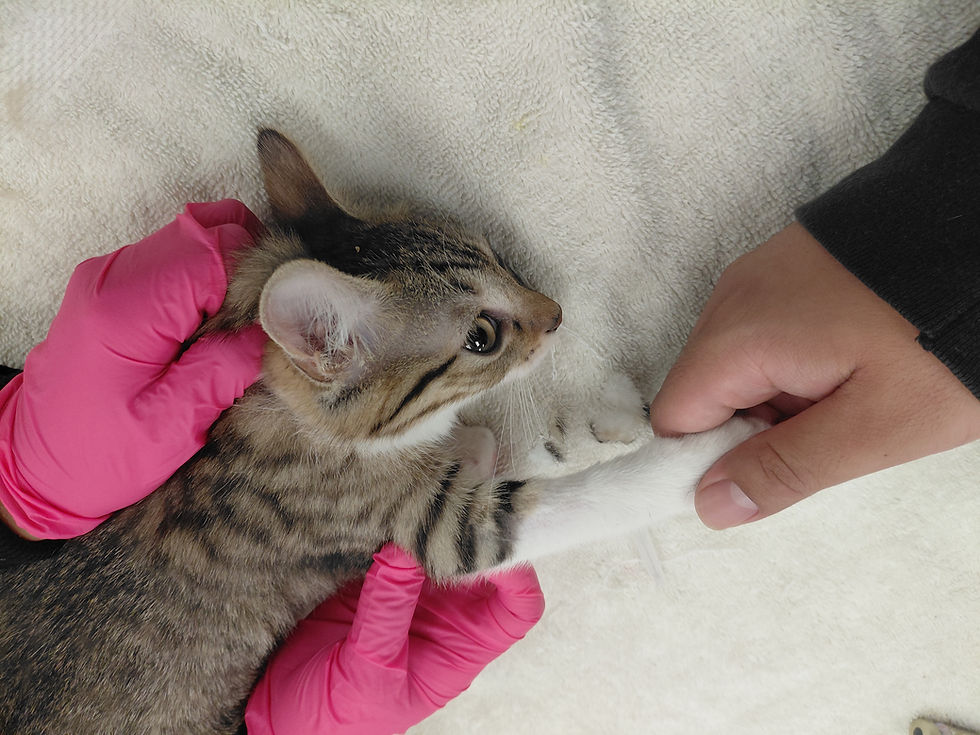
When you bring your puppy or kitten to a Vermont animal hospital for vaccinations, the visit usually includes:
A brief physical exam to check overall health.
Discussion of your pet’s lifestyle and risk factors.
Administration of the recommended vaccines.
Guidance on post-vaccination care and potential side effects.
Most pets tolerate vaccines well, with only mild side effects like soreness or slight lethargy for a day or two.
The Role of Vermont Animal Hospitals in Pet Health
Animal hospitals in Vermont play a vital role in keeping pets healthy through affordable preventive care. They combine veterinary expertise with community outreach to make vaccinations accessible. Many hospitals also provide additional services such as microchipping, spaying/neutering, and parasite control, which contribute to your pet’s overall well-being.
When to Start Vaccinations for Your New Puppy or Kitten
It’s best to start vaccinations as soon as you bring your puppy or kitten home, usually around 6 to 8 weeks of age. Early vaccination helps protect against diseases during the vulnerable first months of life. If you adopt from a shelter or rescue, ask about the pet’s vaccination history and schedule any needed vaccines promptly.
Common Questions About Puppy and Kitten Vaccinations
Are vaccinations safe for young pets?
Yes, vaccines are tested and approved for safety in puppies and kittens. Veterinarians follow strict guidelines to ensure vaccines are given at the right age and intervals.
Can I vaccinate my pet at home?
Vaccinations should be administered by a licensed veterinarian or trained veterinary technician to ensure proper handling and dosing.
What if my pet has a reaction to a vaccine?
Mild reactions are common and usually resolve quickly. Serious reactions are rare but require immediate veterinary attention.
How often do pets need booster shots?
After the initial series, most core vaccines require boosters every 1 to 3 years depending on the vaccine and local regulations.
Vaccinating your puppy or kitten is one of the best investments you can make in their health. Vermont animal hospitals offer several affordable options to help you protect your new pet without breaking the bank. By understanding vaccination schedules, exploring cost-saving opportunities, and working closely with your veterinarian, you can ensure your furry friend grows up strong and healthy.


Comments